

In this article
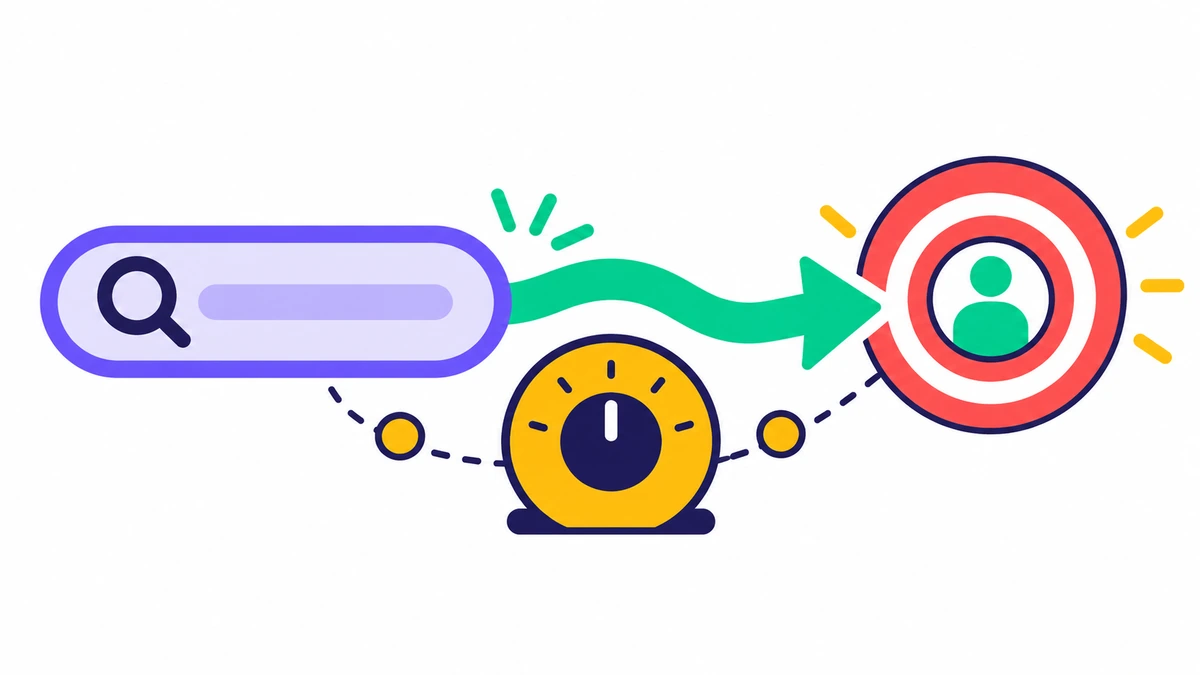
Paying for a click does not mean paying for a customer. A search campaign can attract interest quickly, but the result still depends on the query, offer, destination and follow-up.
SEM is used in different ways across the industry. Here it means paid search advertising; SEO refers to improving organic search visibility. Clarify those definitions when comparing agency proposals.
Begin with a commercially useful search
Identify the services or products you can fulfil and the locations you actually serve. Separate urgent enquiries, research questions and unrelated meanings. Review the real search terms that trigger advertising and exclude irrelevant demand where appropriate.
For a hypothetical Canadian commercial-cleaning business, household cleaning enquiries may be unsuitable even when the words look closely related. The campaign needs to reflect the business model.
Set a budget from business economics
Estimate contribution per new customer and the portion you can spend acquiring one. Then account for the proportion of qualified leads that become customers. State the assumptions and revise them with actual evidence.
Hypothetical CAD example: a business can spend $240 to acquire a customer and closes one in four qualified leads. Its planning allowance is $60 per qualified lead before other acquisition expenses. That is not a Canadian industry benchmark.
Already running ads or planning your first campaign? Get my free ads audit.
Build the destination before scaling traffic
Use a page that matches the service and location in the ad. Explain scope, suitability, proof and next steps. Test the phone number, form delivery and mobile layout. A campaign cannot compensate for enquiries that disappear after submission.
Choose a response process the business can maintain. If demand arrives outside staffed hours, explain when someone will respond rather than implying immediate support you cannot provide.
Give automation a useful goal
Automated bidding and targeting depend on the outcomes you feed them. If spam forms and low-value actions count as primary success, the report may improve while sales quality deteriorates.
Review Google Ads conversion measurement and validate events with test enquiries. Where appropriate, connect qualification or completed sales with reporting through supported, privacy-aware methods.
Separate organic expectations from ad performance
Google’s SEO hiring guidance explains that advertising does not improve organic placement. Paid campaigns and SEO can support the same business, but they have different costs, timeframes and reporting.
Attribution rules can also differ between tools. Reconcile credited conversions with actual business records and avoid presenting every reported action as a new customer.
Ask for a proposal you can evaluate
- Who owns the advertising account and collected data?
- Which costs are media spend, management and production?
- What counts as a qualified lead?
- How will search terms, landing pages and tracking be reviewed?
- What is the review process if results are unsuitable?
Use our landing-page guide and measurement plan before launch. Graby’s Google Ads service is relevant when you need support implementing a defined campaign rather than a promise that paid traffic will solve every marketing problem.